









Traveling to the Galápagos Islands is a transformative milestone for any nature lover. Sailing the archipelago aboard a purpose-built expedition vessel with National Geographic certified photo instructors and naturalists elevates the journey from a simple sightseeing vacation into an intimate masterclass in evolutionary biology and wildlife photography.
Vincent Vacations specialist Karen Lee Elder recently embarked on a bucket-list expedition aboard the National Geographic Endeavour II alongside her father. Below is her complete, first-hand account of the daily rhythm, wildlife encounters, shipboard atmosphere, and essential advisor recommendations for travelers planning their own Galápagos voyage.
Already Booked Directly with Lindblad or National Geographic?
If you booked your Galápagos Expedition directly with Lindblad Expeditions or National Geographic within the last 30 to 60 days and have not yet made final payment, you can transfer your reservation to Vincent Vacations for free. Keep your exact same stateroom, rate, and current supplier discounts while instantly unlocking up to $500 in Signature shipboard credits, hosted cocktail receptions, and our agency's dedicated 24/7 concierge advocacy.
Embarkation & The Journey South: From Miami to Baltra
My dad and I met in Miami to begin our long-awaited journey. The flight from Miami to Guayaquil, Ecuador, is remarkably convenient—just about four and a half hours. Upon arrival in the evening before embarkation, Lindblad's seamless operational team transferred us directly to the Hilton Colon Guayaquil. Traveling with an aging parent can often bring logistical stress, but Lindblad removed every ounce of friction.
The following morning, Lindblad handled our luggage directly from the hotel room; we never had to touch our suitcases again until they were delivered safely inside our stateroom aboard the ship. After an easy 90-minute flight from Guayaquil across the Pacific to the island of Baltra, we cleared Galápagos customs and biosecurity control, where park rangers inspect bags to protect the fragile island ecosystem. From Baltra's bay, we boarded our first Mark V Zodiac for the brief transfer out to the National Geographic Endeavour II.
Shipboard Atmosphere: The Keyless Cabin Culture & Expedition Rhythm
Stepping aboard the Endeavour II, guests are immediately struck by the warmth of the expedition team and crew. Once shown to our stateroom, it took Dad a few minutes to warm to the idea that there are no stateroom door keys. This is one of Lindblad's most celebrated traditions: an environment of mutual trust, camaraderie, and community where travelers and expedition leaders share an open-door exploration philosophy.
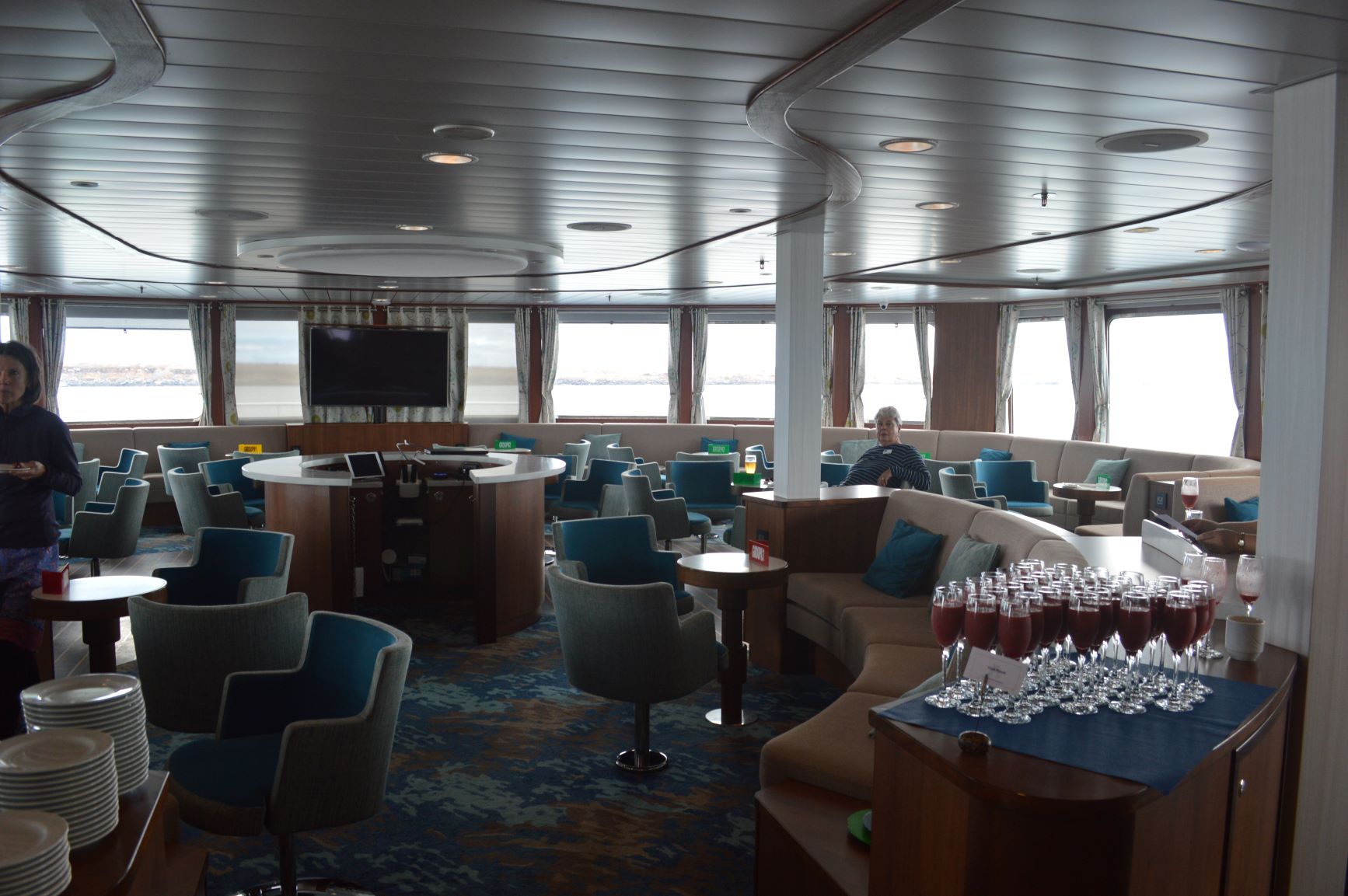
Public spaces aboard the ship are thoughtfully arranged to encourage conversation and relaxation. Between the forward Observation Lounge, the expansive naturalist library, and the top observation sun deck, there is always a peaceful vantage point to watch volcanic silhouettes drift past. The ship also features a dedicated wellness treatment room with a certified massage therapist—a welcome treat after active hiking days.
Dining aboard Lindblad emphasizes sustainable, regionally sourced Ecuadorian gastronomy. Fresh ceviches, tropical fruits, locally caught seafood, and warm Ecuadorian pastries are served in an unpretentious, single-seating dining room where guests dine freely alongside expedition leaders and National Geographic photographers.
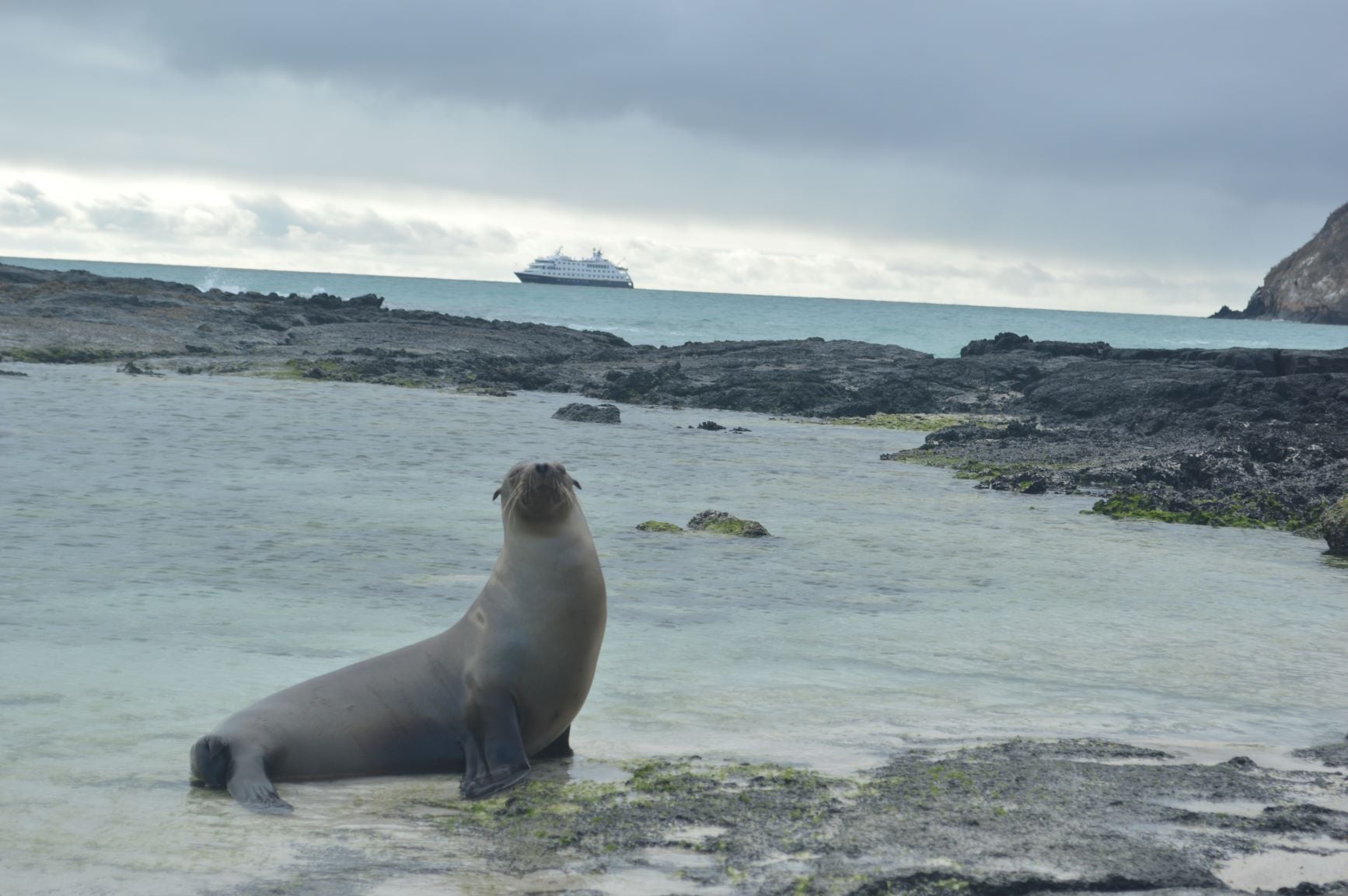
Daily Wildlife Encounters Across the Archipelago
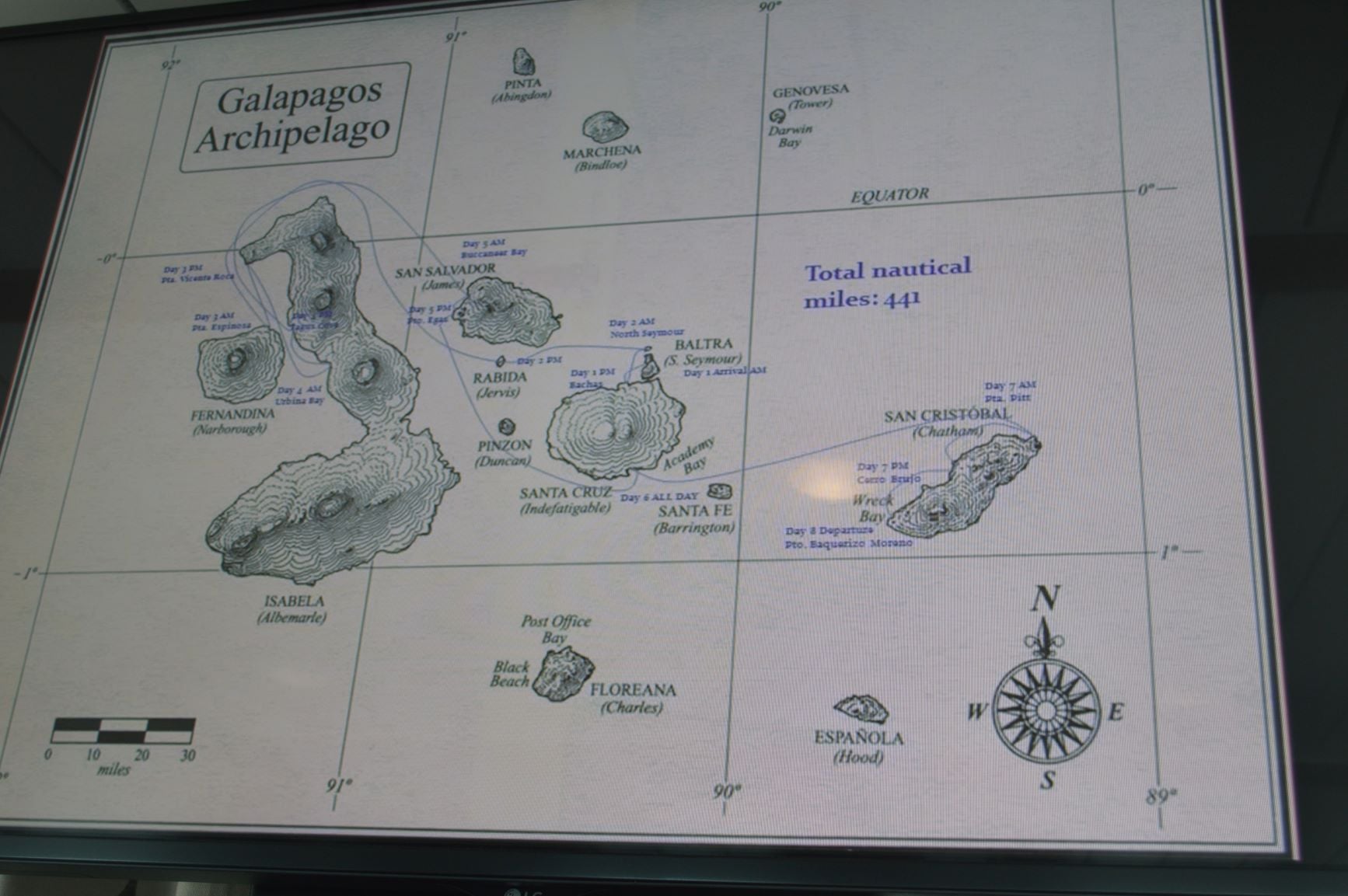
Our comprehensive itinerary navigated a spectacular progression of islands: North Seymour, Rábida, San Salvador (Santiago), Fernandina, Isabela, Santa Cruz, and finally San Cristóbal. Each morning and afternoon, guests select from tailored activity tracks matched to their fitness and interests: brisk geological ridge hikes, coastal meanders, Zodiac wildlife safaris, deep-water snorkeling, or glass-bottom boat excursions.
1. Wet Landings on Bachas Beach (Santa Cruz Island)
Our initial landing was at Bachas Beach on the northern shore of Santa Cruz Island. A classic “wet landing” means stepping out of the Zodiac bow into ankle-deep Pacific surf before strolling up onto white coralline sand. With fiery pink flamingos wading in brackish lagoons behind the dunes and Pacific green sea turtle nesting pits dotting the beach, it was impossible not to feel Darwin's awe.
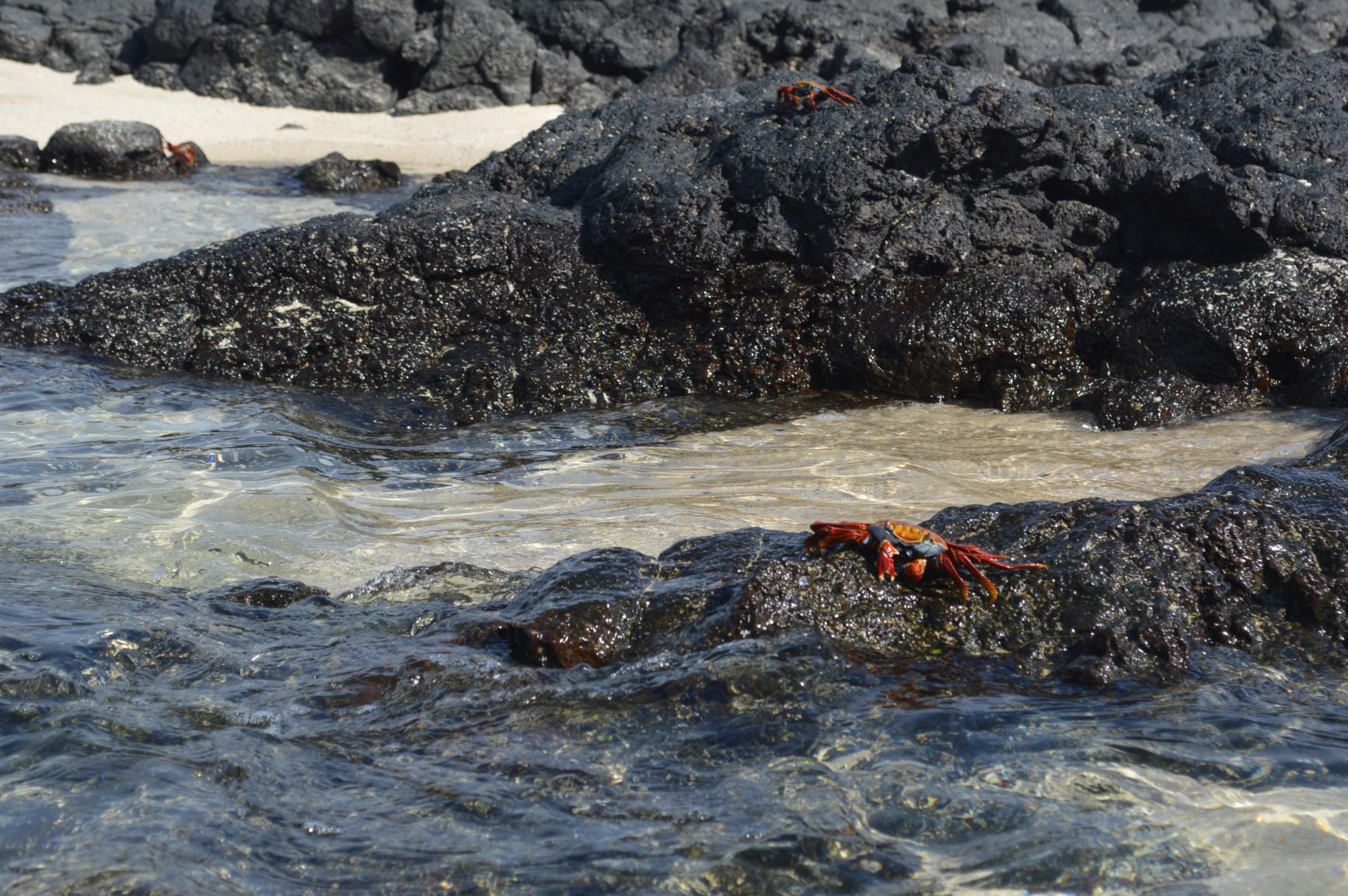
2. Marine Iguanas of Fernandina & Isabela
Nowhere on Earth demonstrates evolutionary adaptation quite like Fernandina, the youngest and most volcanically active island in the Galápagos. Hundreds of prehistoric marine iguanas carpet the black basaltic lava fields, basking shoulder-to-shoulder in the equatorial sun to warm their core body temperature after feeding on undersea marine algae.
3. Nesting Blue-Footed & Nazca Boobies on North Seymour
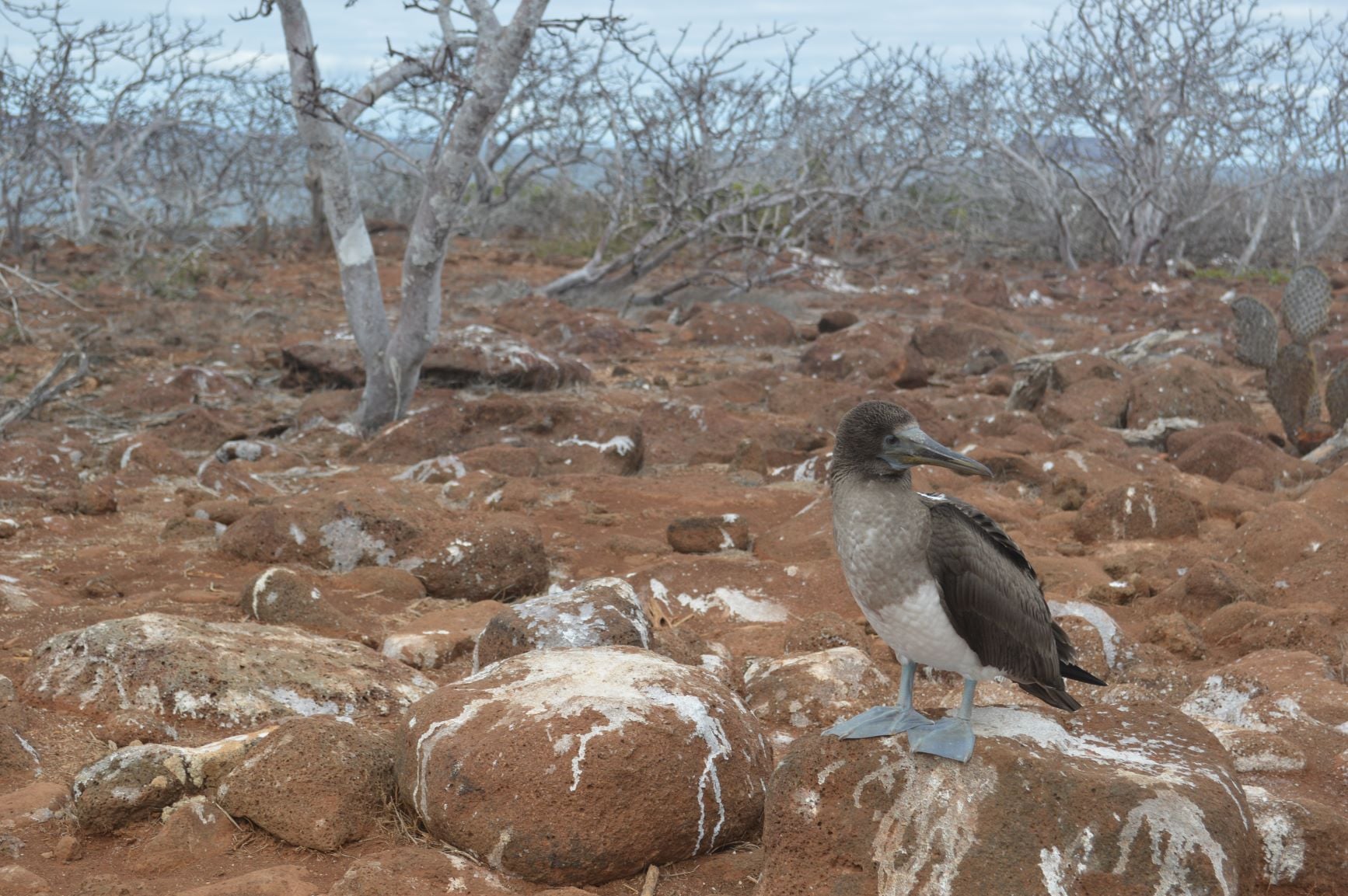
On North Seymour Island, we walked narrow trails flanked by low saltbushes and palo santo trees. Here, blue-footed boobies and magnificent frigatebirds nest directly beside the path with zero fear of humans. We watched male boobies perform their comical mating dance—alternately lifting their turquoise webbed feet, sky-pointing their beaks, and whistling softly to prospective mates.
4. Snorkeling With Playful Sea Lions & Marine Turtles
Because we traveled in September, the Humboldt Current brought nutrient-rich waters into the archipelago. Water temperatures hovered between 68°F and 72°F, requiring 3mm “shorty” wetsuits (which Lindblad provides and fits individually for each guest on day one). The cooler waters rewarded us with staggering underwater visibility and animal activity.
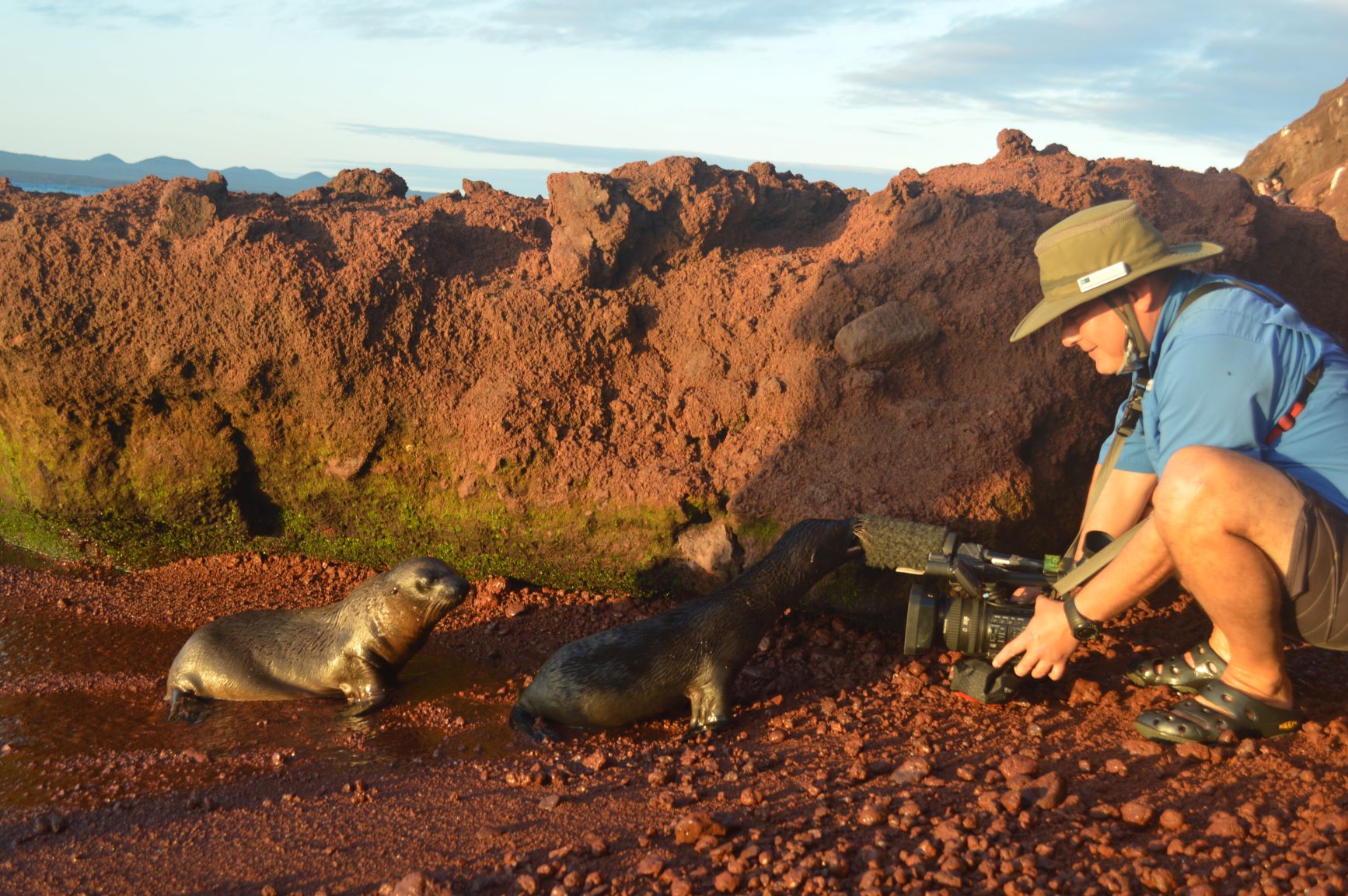
Wild Galápagos sea lion pups corkscrewed through the water around us, blowing bubbles into our dive masks and playfully mimicking our movements. In the shallows off Champion Islet and Gardner Bay, we swam alongside Galápagos penguins—the only wild penguin species residing north of the equator—and grazing green sea turtles.
5. Giant Tortoises in the Santa Cruz Highlands
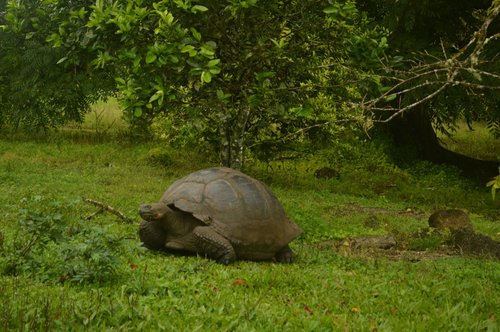
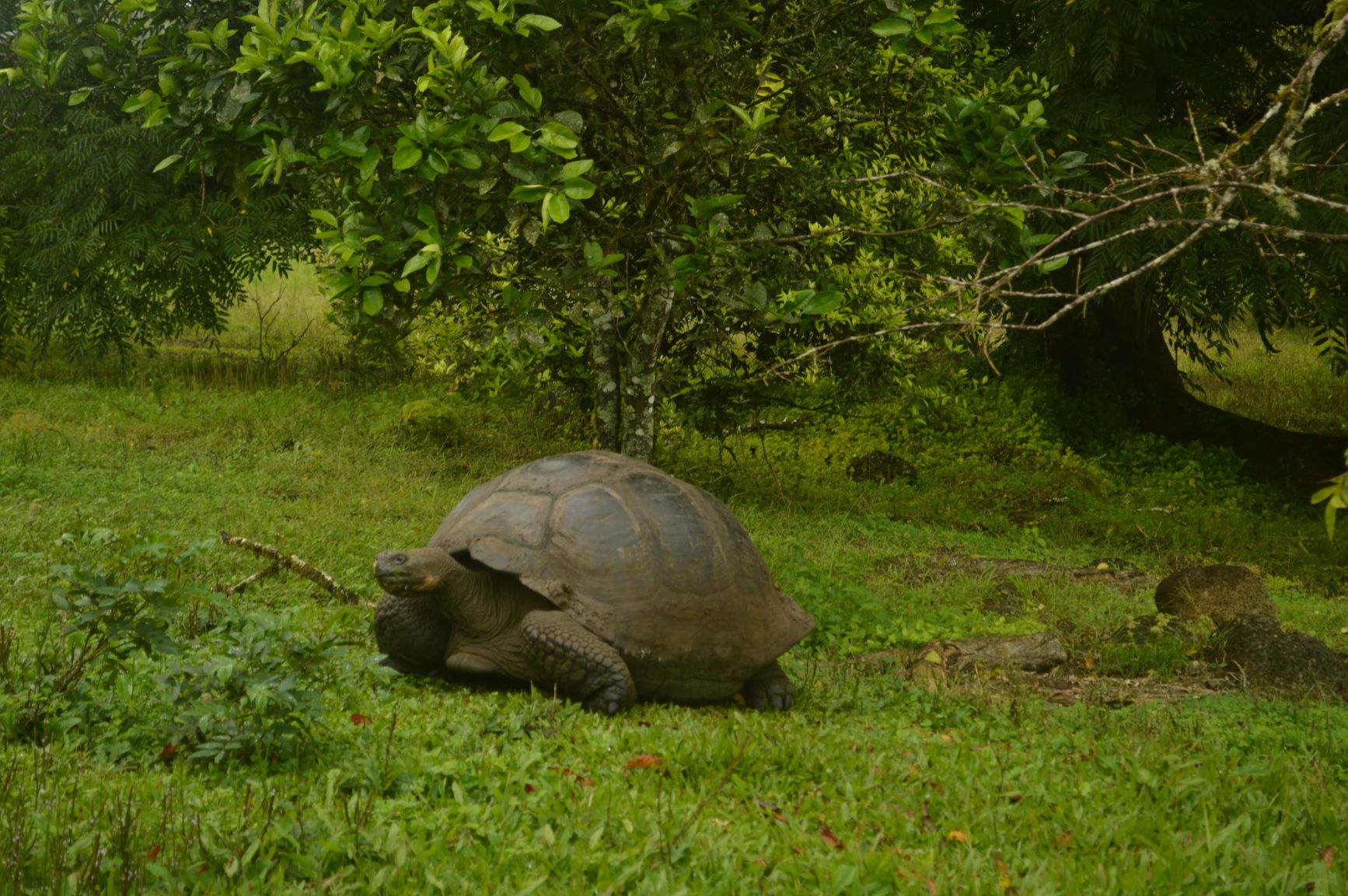
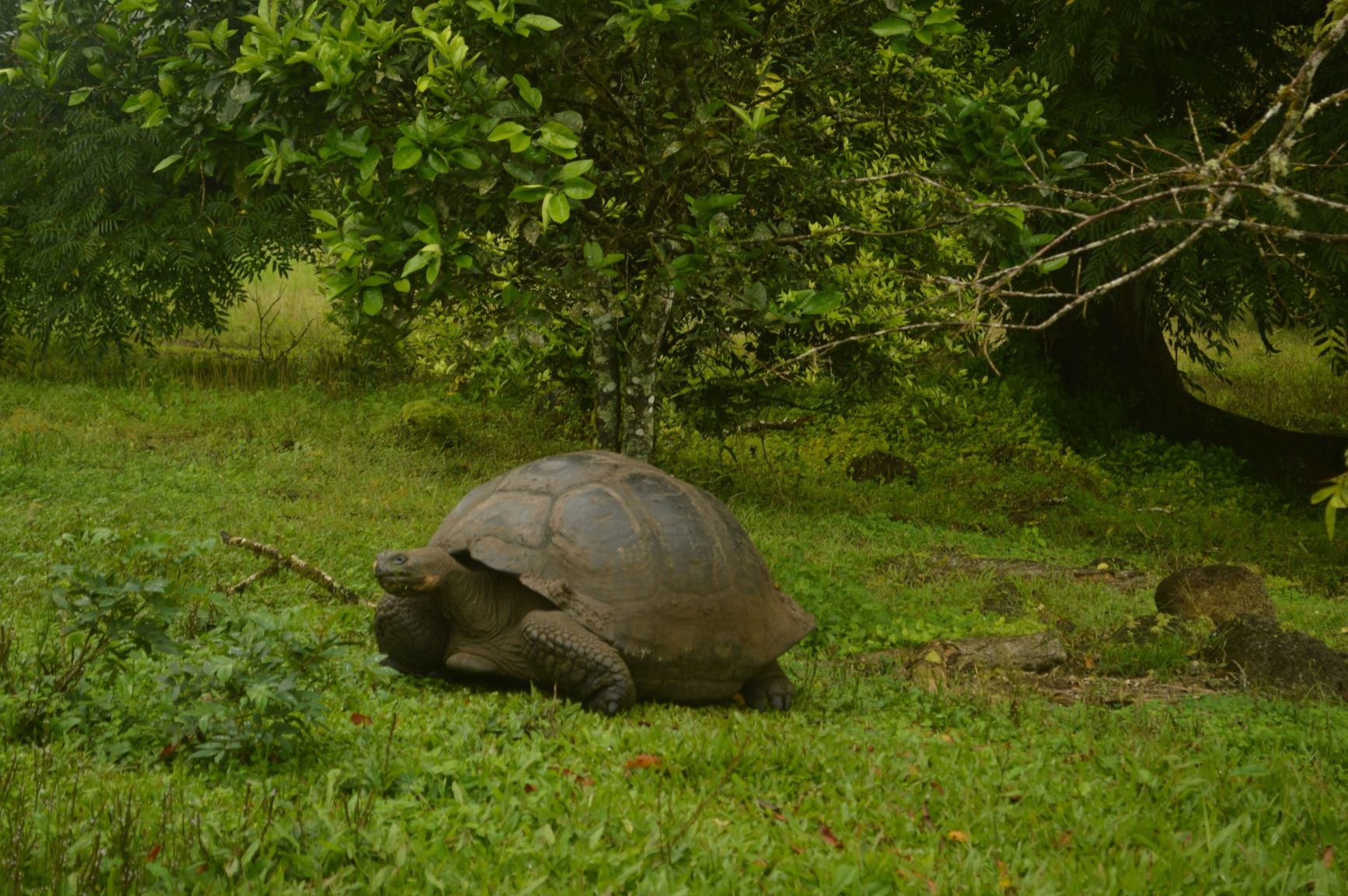
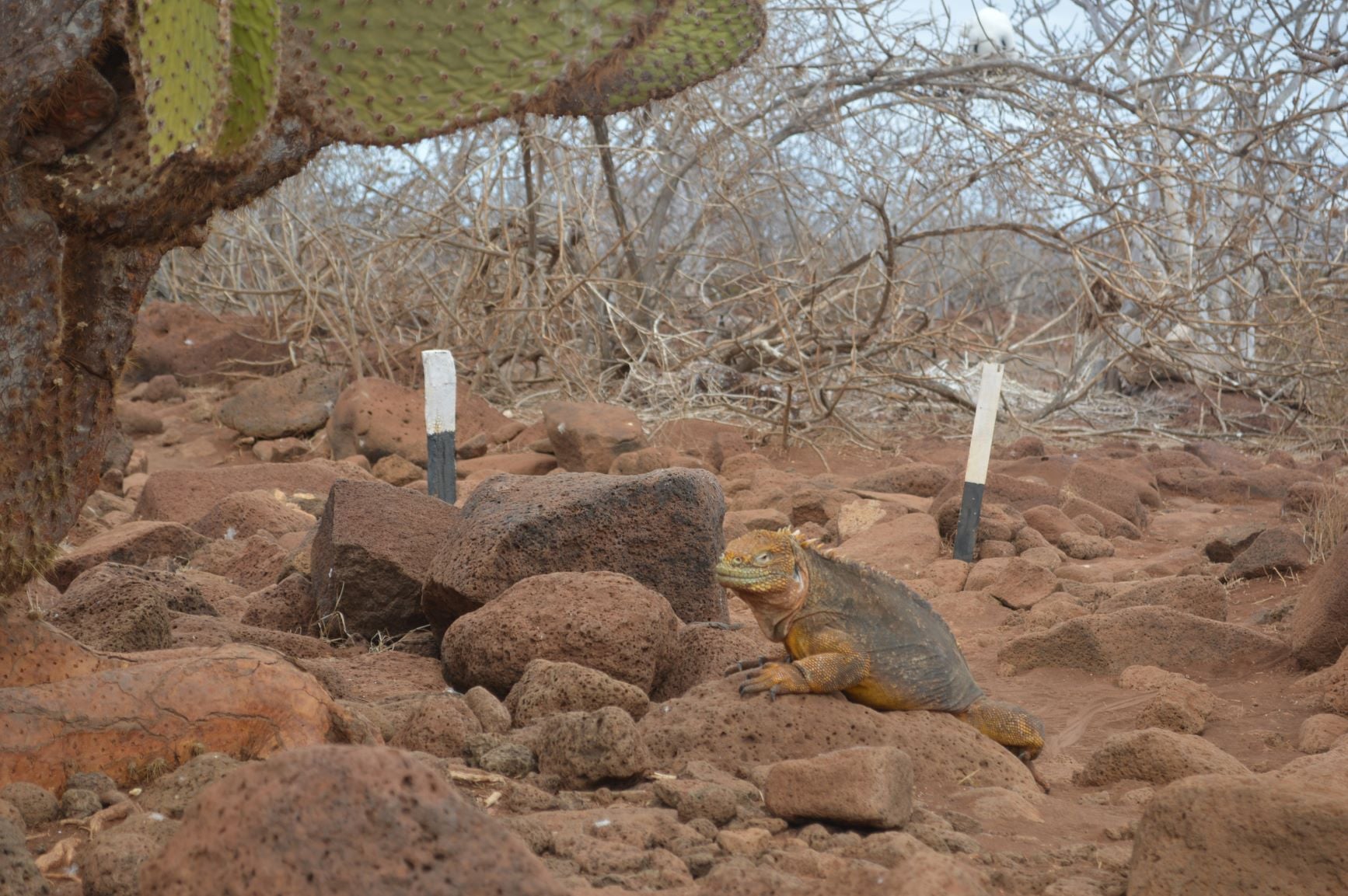
Leaving the arid coast behind, we climbed into the misty highland forests of Santa Cruz Island. Here, wild Galápagos giant tortoises weighing upwards of 500 pounds roam freely across agricultural pastures and natural reserves, grazing on grasses and soaking in freshwater mud ponds.
The National Geographic Photography Advantage
One of the most extraordinary distinctions of traveling with Lindblad Expeditions is the presence of National Geographic certified photo instructors. On our voyage, two of the naturalists held full Nat Geo credentials. Daily after-lunch workshops covered composition, shutter speed adjustments for flying seabirds, manual exposure control, and even practical techniques for smartphone photography.
A dedicated professional ship videographer accompanied our daily outings, assembling a full voyage documentary that was available for purchase at disembarkation—a priceless keepsake for Dad and me to relive our memories for decades to come.
Surprise Marine Encounters: Orcas & Humpbacks
While the Galápagos is legendary for its resident fauna, the open channels between Isabela and Fernandina hold incredible marine surprises. During our sailing, the bridge team spotted a pod of Orcas, a giant ocean sunfish (Mola mola), and two separate mother-and-calf Humpback whale pairs breaching against the backdrop of towering volcanic peaks. Because Lindblad ships carry small passenger complements, captains have the operational flexibility to adjust speed and linger with wildlife whenever rare opportunities emerge.
Disembarkation & The Return Home
Disembarkation on San Cristóbal was as smooth as our arrival. Once again, suitcases were picked up from our cabins and transferred directly through security to the airport. After exploring San Cristóbal town and the local interpretation center, we boarded our return charter to Guayaquil, checked back into the Hilton Colon for an evening city tour and relaxing dinner, and caught our return flight home to the United States.
Sharing the wonder of the Galápagos Islands with someone you love is beyond special. If you have been contemplating an expedition voyage, there is simply no substitute for Lindblad's depth of expertise, respectful conservation ethic, and intimate shipboard family.
Meet Our Certified Expedition Specialists
Expedition cruising is a specialized endeavor. Navigating IAATO wilderness guidelines, zodiac landings, polar gear fittings, and remote regional flights through Guayaquil or Punta Arenas requires hands-on logistical mastery. Consult directly with our certified expedition advisors:
Ethan Jones
Polar Expedition LeadDedicated authority on Antarctica, South Georgia, and Svalbard pack-ice navigation, Ulstein X-Bow vessels, and active citizen science programs.
Consult with Ethan
Anne King
Galápagos & Wildlife ExpertSpecializes in Ecuadorian logistics, Charles Darwin Research Station permits, wildlife photography seasons, and private yacht charters.
Consult with Anne
Joe Merendino
Small Ship & Alaska AdvisorSpecialist in shallow-draft coastal exploration in Alaska's Inside Passage, Glacier Bay permits, and Baja whale encounters.
Consult with Joe