











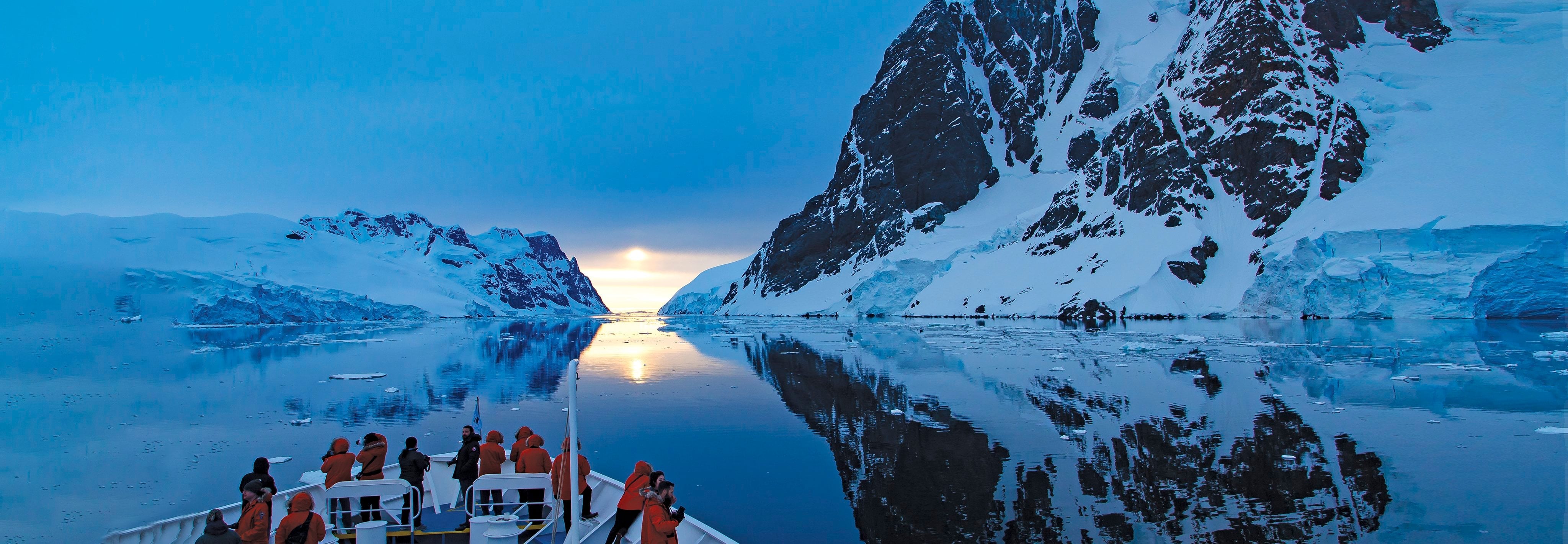
Experiencing Alaska aboard a 100-guest National Geographic expedition ship is a fundamentally different journey than sailing on a 4,000-passenger megaship. Where large ships look at Alaska through plate glass from miles offshore, Lindblad touches Alaska.
With shallow-draft access into narrow wilderness fjords, daily guided Zodiac cruises, quiet kayak paddles through ice-choked coves, and permits to explore secluded national forest preserves, Lindblad delivers the authentic, unfiltered Great Land. Below is our complete advisor guide to sailing Alaska with Lindblad Expeditions.
Already Booked Directly with Lindblad or National Geographic?
If you booked your Alaska Wilderness Expedition directly with Lindblad Expeditions or National Geographic within the last 30 to 60 days and have not yet made final payment, you can transfer your reservation to Vincent Vacations for free. Keep your exact same stateroom, rate, and current supplier discounts while instantly unlocking up to $500 in Signature shipboard credits, hosted cocktail receptions, and our agency's dedicated 24/7 concierge advocacy.
1. The Small-Ship Advantage in Alaska's Inside Passage
The biggest distinction of sailing Alaska with Lindblad is vessel maneuverability. Ships like the National Geographic Quest, Venture, and Sea Bird can navigate shallow channels like Wrangell Narrows, navigate right up to the roaring face of LeConte Glacier, and anchor overnight in deserted wilderness bays where guests fall asleep to the sound of blowhole spouts from passing humpbacks.

2. Daily Active Exploration: Kayaking, Zodiacs & Forest Hikes
On Lindblad, Alaska is an active immersion, not a passive viewing experience. Each morning and afternoon, guests choose from multiple activity tiers led by certified naturalists, geologists, and cultural historians:
- Kayak Exploration in Secluded Coves: Launching kayaks directly from the stern platform to paddle silently along rocky kelp shorelines where sea otters crack clams and bald eagles perch in hemlock branches.
- Zodiac Ice Safaris: Maneuvering through fields of sculpted blue bergy bits in Endicott Arm and Tracy Arm, watching harbor seals nurse pups on floating ice floes.
- Old-Growth Rainforest Bushwhacks: Naturalist-guided walks through Tongass National Forest, discovering banana slugs, carnivorous sundew plants, and bear trails through skunk cabbage meadows.
3. The National Geographic Photo Instruction Difference
Photographing leaping humpback whales, diving sea birds, and fast-moving brown bears requires precision camera handling. Every Alaska departure carries a National Geographic certified photo instructor who conducts daily field workshops on shutter speeds, focal tracking, and ethical wildlife distances, ensuring you return home with gallery-worthy memories.
Meet Our Certified Expedition Specialists
Expedition cruising is a specialized endeavor. Navigating IAATO wilderness guidelines, zodiac landings, polar gear fittings, and remote regional flights through Guayaquil or Punta Arenas requires hands-on logistical mastery. Consult directly with our certified expedition advisors:

Ethan Jones
Polar Expedition LeadDedicated authority on Antarctica, South Georgia, and Svalbard pack-ice navigation, Ulstein X-Bow vessels, and active citizen science programs.
Consult with Ethan
Anne King
Galápagos & Wildlife ExpertSpecializes in Ecuadorian logistics, Charles Darwin Research Station permits, wildlife photography seasons, and private yacht charters.
Consult with Anne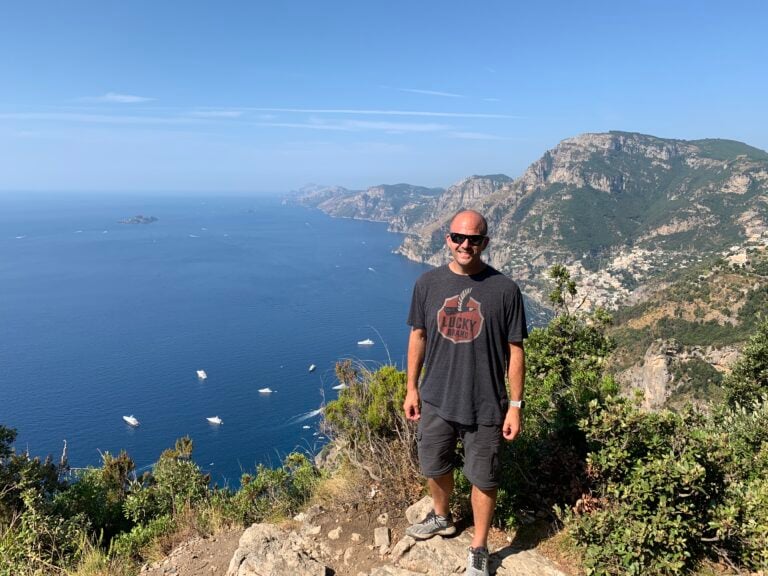
Joe Merendino
Small Ship & Alaska AdvisorSpecialist in shallow-draft coastal exploration in Alaska's Inside Passage, Glacier Bay permits, and Baja whale encounters.
Consult with Joe